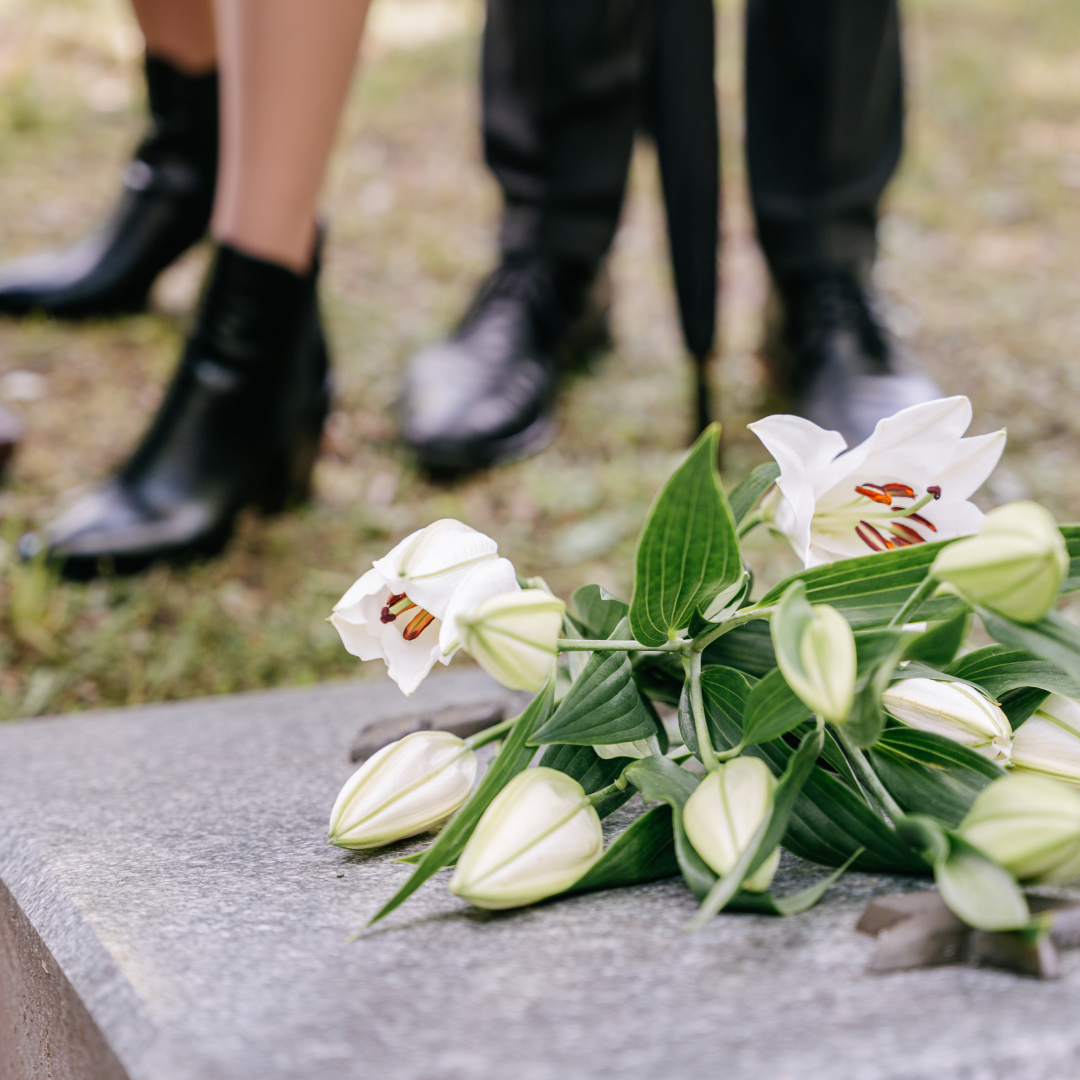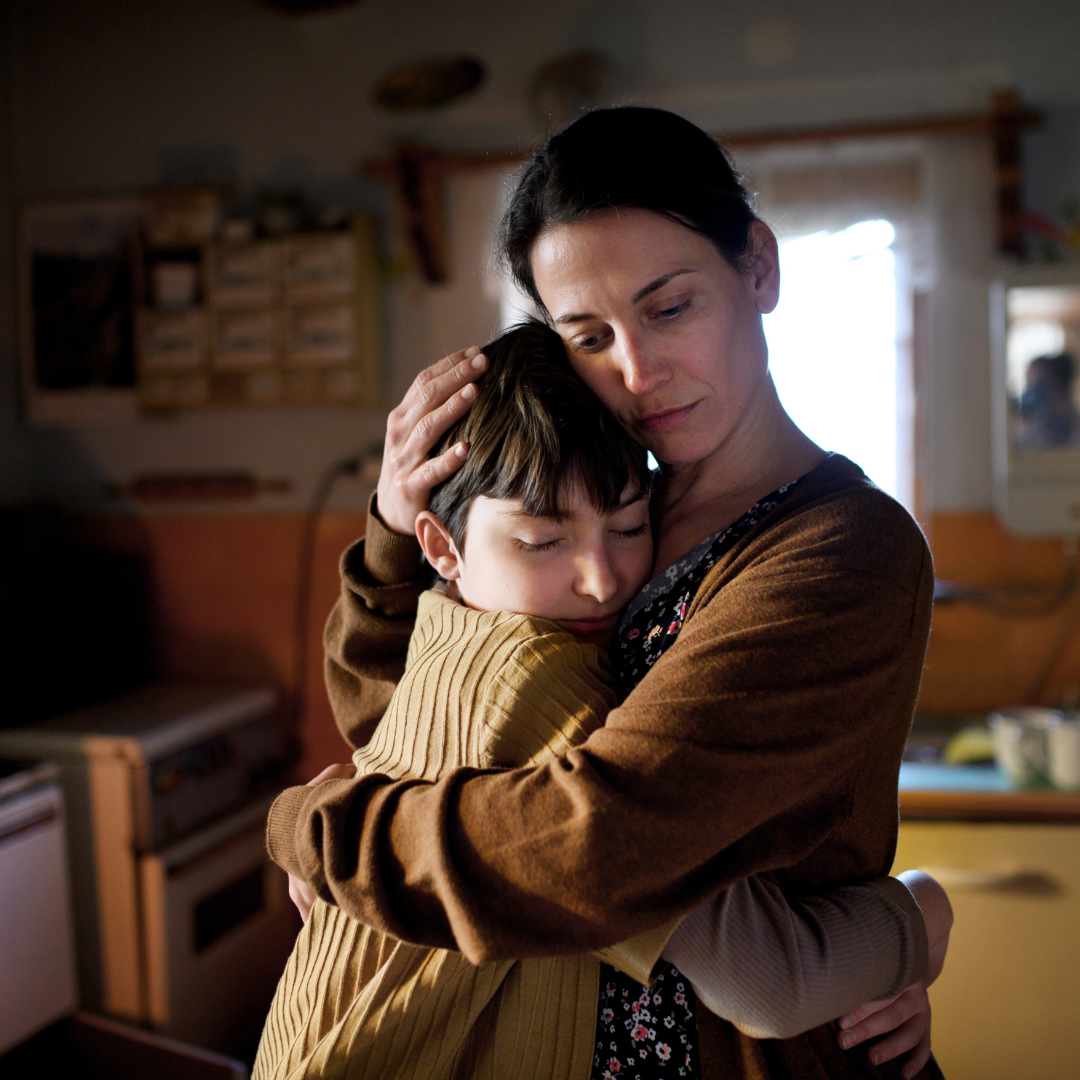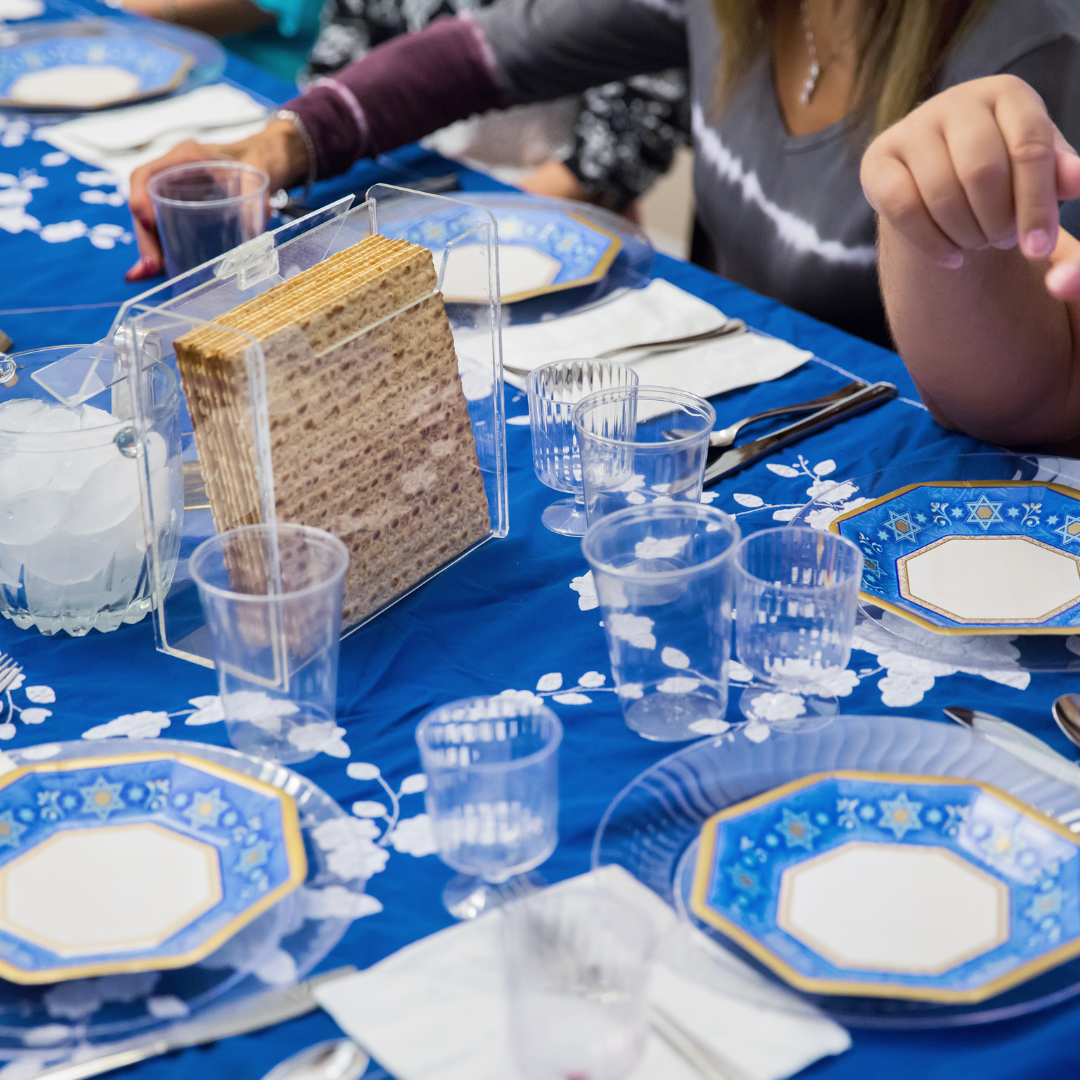
Noticing The Empty Chair: Grieving a Loved One at Passover
Preview
showing
1-6
of
11
Page
1
of
2
At the rising sun and at its going down; We remember them.
At the blowing of the wind and in the chill of winter; We remember them.
At the opening of the buds and in the rebirth of spring; We remember them.
At the blueness of the skies and in the warmth of summer; We remember them.
At the rustling of the leaves and in the beauty of the autumn; We remember them.
At the beginning of the year and when it ends; We remember them.
As long as we live, they too will live, for they are now a part of us as We remember them.
When we are weary and in need of strength; We remember them.
When we are lost and sick at heart; We remember them.
When we have decisions that are difficult to make; We remember them.
When we have joy we crave to share; We remember them.
When we have achievements that are based on theirs; We remember them.
For as long as we live, they too will live, for they are now a part of us as, We remember them.
-by by Sylvan Kamens & Rabbi Jack Riemer
Clip source: The Shomer Collective
We Remember Them by Sylvan Kamens & Rabbi Jack Riemer
Preview
More
At the rising sun and at its going down; We remember them.
At the blowing of the wind and in the chill of winter; We remember them.
At the opening of the buds and in the rebirth of spring; We remember them.
At the blueness of the skies and in the warmth of summer; We remember them.
At the rustling of the leaves and in the beauty of the autumn; We remember them.
At the beginning of the year and when it ends; We remember them.
As long as we live, they too will live, for they are now a part of us as We remember them.
When we are weary and in need of strength; We remember them.
When we are lost and sick at heart; We remember them.
When we have decisions that are difficult to make; We remember them.
When we have joy we crave to share; We remember them.
When we have achievements that are based on theirs; We remember them.
For as long as we live, they too will live, for they are now a part of us as, We remember them.
-by by Sylvan Kamens & Rabbi Jack Riemer
Clip source: The Shomer Collective
אֵל מָלֵא רַחֲמִים, שׁוֹכֵן בַּמְּרוֹמִים, הַמְצֵא מְנוּחָה נְכוֹנָה עַל כַּנְפֵי הַשְּׁכִינָה, בְּמַעֲלַת קְדוֹשִׁים וּטְהוֹרִים כְּזֹהַר הָרָקִיעַ מַזְהִירִים, אֶת נִשְׁמַת (שם הנפטר בן שם אביו) שֶׁהָלַךְ לְעוֹלָמוֹ, בַּעֲבוּר שֶׁבְּלִי נֶדֶר אֶתֵּן צְדָקָה בְּעַד הַזְכַּרַת נִשְׁמָתוֹ, בְּגַן עֵדֶן תְּהֵא מְנוּחָתוֹ, לָכֵן בַּעַל הָרַחֲמִים יַסְתִּירֵהוּ בְּסֵתֶר כְּנָפָיו לְעוֹלָמִים, וְיִצְרוֹר בִּצְרוֹר הַחַיִּים אֶת נִשְׁמָתוֹ, יְיָ הוּא נַחֲלָתוֹ, וְיָנוּחַ עַל מִשְׁכָּבוֹ בְּשָׁלוֹם. וְנֹאמַר אָמֵן.
El Maleh Rachamim, shocheyn bam’romim, ham-tzay m’nucha n’chona al kanfei Hash’china, b’ma-alot kedoshim utehorim k’zo-har haraki-a mazhirim, et nishmat (Name of the Deceased) she-halcha l-olomoh, ba-avur shenodvu tzedakah b’ad hazkarat nishmatah. B’Gan Ayden t’hay menuchatah; la-chayn Ba-al Harachamim yas-tire-ha besayter k'nafav l’olamim, v’yitz-ror bitz-ror hacha-yim et nishmatah, Ado-nay Hu na-chalatah, v’tanu-ach b’shalom al mishkavah. V’nomar: Amen.
God, full of compassion, dwelling as uplift and within, grant perfect rest under Your sheltering Presence, among the holy and pure who shine with heavenly splendor, to the soul of our dear one who has gone to his/her/their reward. May the Garden of Eternity be his/her/their rest. Please, Power of Compassion, shade him/her/them in the shadow of Your wing forever. May his/her/their soul be bound in the bonds of eternal life. May Adonai be his/her/their inheritance, and may he/she/they rest in peace. And let us say, Amen.
Source: Adapted from Sefaria Community Translation by Rabbi Melanie Levav
Clip source: The Shomer Collective
El Maleh Rachamim, Adapted by Rabbi Melanie Levav
Preview
More
This secular prayer is intended to celebrate the ordinary and cherished existence of the person who has died (rather than the celebration of faith to a deity). It is offered as a non-religious alternative to the traditional Kaddish prayer so that a secular person might recite it in good conscience, finding solace in reverence for life.
We celebrate the spark which illuminates life and fades at death, and we accept this great mystery.
In this world that is created new with each sunrise, we open the robe of [ 's] existence,
crafted of fabric woven from every ordinary day, with innumerable pockets sheltering all the
moments and purposes that comprise a full life. A robe embellished with joys and accomplishments, made shiny at the seat by sharing life's table, frayed at the cuffs by sorrows,
worn at the elbows from the labors of living.
May remembering [ ] be a blessing.
May the humor, common sense, and skills that [ ] honed in life remain a contribution to the family and the community. And may [ 's] mistakes and challenges be remembered so that
the wisdom earned from their lessons learned will also stay with us.
May remembering [ ] be a blessing.
In this world where [ ] learned, labored, and loved may their existence continue to radiate goodness, and may the things [ ] created be put to use and appreciated.
May remembering [ ] be a blessing.
May our hearts beat steadily together in the rhythm of life as we remember [ ] in the fullness of themself, and release [ ] now in love.
May remembering [ ] be a blessing to all.
-by Dina Stander
Clip source: The Shomer Collective
May Remembering Be a Blessing by Dina Stander
Preview
More
Lentil by Rodger Kamenetz
“For mourning is a sphere
Making a circuit in the world”
So do not be surprised when it appears
next door or even nearer.
And what shall we eat for mourning
but a lentil round as a mouth
that is closed
What shall we say to them on the morning of a day
when no words are good, only
the touch of a hand, an embrace?
See them there: one silent, one shuddering
making one body of two, a perfect round.
From: Beside Still Waters, available for download and purchase
In memory of Roberta and Michael Laric z”l
Aharon was silent in the face of death.
Sometimes there are no words
And sometimes words are all we have
To communicate
To commiserate
To comfort.
HaMakom yenachem etchem btoch sh’ar aveilei tzion v'yerushalayim
“May God comfort you among the mourners of Zion
And Jerusalem”
Falls so short
And yet the very formula
Grants grace
Giving us words to fill the silence
Linking our discomfort to the discomfort of ages
And ages of comforters
Standing at graveside
Sitting at shiva
Wishing we could do more.
Sometimes there are no words
And sometimes words are all we have
That and a hand on a shoulder
A tear in the throat
A heart overflowing
And the promise to come
When everyone else has left
So, though bereft,
The mourner is not abandoned.
-by Rabbi Susan Grossman
—
© Copyright. Rabbi Susan Grossman, 2022. Shared with author’s permission.
Aharon Was Silent in the Face of Death by Rabbi Susan Grossman
Preview
More
At the rising sun and at its going down; We remember them.
At the blowing of the wind and in the chill of winter; We remember them.
At the opening of the buds and in the rebirth of spring; We remember them.
At the blueness of the skies and in the warmth of summer; We remember them.
At the rustling of the leaves and in the beauty of the autumn; We remember them.
At the beginning of the year and when it ends; We remember them.
As long as we live, they too will live, for they are now a part of us as We remember them.
When we are weary and in need of strength; We remember them.
When we are lost and sick at heart; We remember them.
When we have decisions that are difficult to make; We remember them.
When we have joy we crave to share; We remember them.
When we have achievements that are based on theirs; We remember them.
For as long as we live, they too will live, for they are now a part of us as, We remember them.
-by by Sylvan Kamens & Rabbi Jack Riemer
Clip source: The Shomer Collective
We Remember Them by Sylvan Kamens & Rabbi Jack Riemer
Preview
More
At the rising sun and at its going down; We remember them.
At the blowing of the wind and in the chill of winter; We remember them.
At the opening of the buds and in the rebirth of spring; We remember them.
At the blueness of the skies and in the warmth of summer; We remember them.
At the rustling of the leaves and in the beauty of the autumn; We remember them.
At the beginning of the year and when it ends; We remember them.
As long as we live, they too will live, for they are now a part of us as We remember them.
When we are weary and in need of strength; We remember them.
When we are lost and sick at heart; We remember them.
When we have decisions that are difficult to make; We remember them.
When we have joy we crave to share; We remember them.
When we have achievements that are based on theirs; We remember them.
For as long as we live, they too will live, for they are now a part of us as, We remember them.
-by by Sylvan Kamens & Rabbi Jack Riemer
Clip source: The Shomer Collective
אֵל מָלֵא רַחֲמִים, שׁוֹכֵן בַּמְּרוֹמִים, הַמְצֵא מְנוּחָה נְכוֹנָה עַל כַּנְפֵי הַשְּׁכִינָה, בְּמַעֲלַת קְדוֹשִׁים וּטְהוֹרִים כְּזֹהַר הָרָקִיעַ מַזְהִירִים, אֶת נִשְׁמַת (שם הנפטר בן שם אביו) שֶׁהָלַךְ לְעוֹלָמוֹ, בַּעֲבוּר שֶׁבְּלִי נֶדֶר אֶתֵּן צְדָקָה בְּעַד הַזְכַּרַת נִשְׁמָתוֹ, בְּגַן עֵדֶן תְּהֵא מְנוּחָתוֹ, לָכֵן בַּעַל הָרַחֲמִים יַסְתִּירֵהוּ בְּסֵתֶר כְּנָפָיו לְעוֹלָמִים, וְיִצְרוֹר בִּצְרוֹר הַחַיִּים אֶת נִשְׁמָתוֹ, יְיָ הוּא נַחֲלָתוֹ, וְיָנוּחַ עַל מִשְׁכָּבוֹ בְּשָׁלוֹם. וְנֹאמַר אָמֵן.
El Maleh Rachamim, shocheyn bam’romim, ham-tzay m’nucha n’chona al kanfei Hash’china, b’ma-alot kedoshim utehorim k’zo-har haraki-a mazhirim, et nishmat (Name of the Deceased) she-halcha l-olomoh, ba-avur shenodvu tzedakah b’ad hazkarat nishmatah. B’Gan Ayden t’hay menuchatah; la-chayn Ba-al Harachamim yas-tire-ha besayter k'nafav l’olamim, v’yitz-ror bitz-ror hacha-yim et nishmatah, Ado-nay Hu na-chalatah, v’tanu-ach b’shalom al mishkavah. V’nomar: Amen.
God, full of compassion, dwelling as uplift and within, grant perfect rest under Your sheltering Presence, among the holy and pure who shine with heavenly splendor, to the soul of our dear one who has gone to his/her/their reward. May the Garden of Eternity be his/her/their rest. Please, Power of Compassion, shade him/her/them in the shadow of Your wing forever. May his/her/their soul be bound in the bonds of eternal life. May Adonai be his/her/their inheritance, and may he/she/they rest in peace. And let us say, Amen.
Source: Adapted from Sefaria Community Translation by Rabbi Melanie Levav
Clip source: The Shomer Collective
El Maleh Rachamim, Adapted by Rabbi Melanie Levav
Preview
More
This secular prayer is intended to celebrate the ordinary and cherished existence of the person who has died (rather than the celebration of faith to a deity). It is offered as a non-religious alternative to the traditional Kaddish prayer so that a secular person might recite it in good conscience, finding solace in reverence for life.
We celebrate the spark which illuminates life and fades at death, and we accept this great mystery.
In this world that is created new with each sunrise, we open the robe of [ 's] existence,
crafted of fabric woven from every ordinary day, with innumerable pockets sheltering all the
moments and purposes that comprise a full life. A robe embellished with joys and accomplishments, made shiny at the seat by sharing life's table, frayed at the cuffs by sorrows,
worn at the elbows from the labors of living.
May remembering [ ] be a blessing.
May the humor, common sense, and skills that [ ] honed in life remain a contribution to the family and the community. And may [ 's] mistakes and challenges be remembered so that
the wisdom earned from their lessons learned will also stay with us.
May remembering [ ] be a blessing.
In this world where [ ] learned, labored, and loved may their existence continue to radiate goodness, and may the things [ ] created be put to use and appreciated.
May remembering [ ] be a blessing.
May our hearts beat steadily together in the rhythm of life as we remember [ ] in the fullness of themself, and release [ ] now in love.
May remembering [ ] be a blessing to all.
-by Dina Stander
Clip source: The Shomer Collective
May Remembering Be a Blessing by Dina Stander
Preview
More
Lentil by Rodger Kamenetz
“For mourning is a sphere
Making a circuit in the world”
So do not be surprised when it appears
next door or even nearer.
And what shall we eat for mourning
but a lentil round as a mouth
that is closed
What shall we say to them on the morning of a day
when no words are good, only
the touch of a hand, an embrace?
See them there: one silent, one shuddering
making one body of two, a perfect round.
From: Beside Still Waters, available for download and purchase
In memory of Roberta and Michael Laric z”l
Aharon was silent in the face of death.
Sometimes there are no words
And sometimes words are all we have
To communicate
To commiserate
To comfort.
HaMakom yenachem etchem btoch sh’ar aveilei tzion v'yerushalayim
“May God comfort you among the mourners of Zion
And Jerusalem”
Falls so short
And yet the very formula
Grants grace
Giving us words to fill the silence
Linking our discomfort to the discomfort of ages
And ages of comforters
Standing at graveside
Sitting at shiva
Wishing we could do more.
Sometimes there are no words
And sometimes words are all we have
That and a hand on a shoulder
A tear in the throat
A heart overflowing
And the promise to come
When everyone else has left
So, though bereft,
The mourner is not abandoned.
-by Rabbi Susan Grossman
—
© Copyright. Rabbi Susan Grossman, 2022. Shared with author’s permission.
Aharon Was Silent in the Face of Death by Rabbi Susan Grossman
Preview
More
showing
1-6
of
201
Page
1
of
34




.jpg)