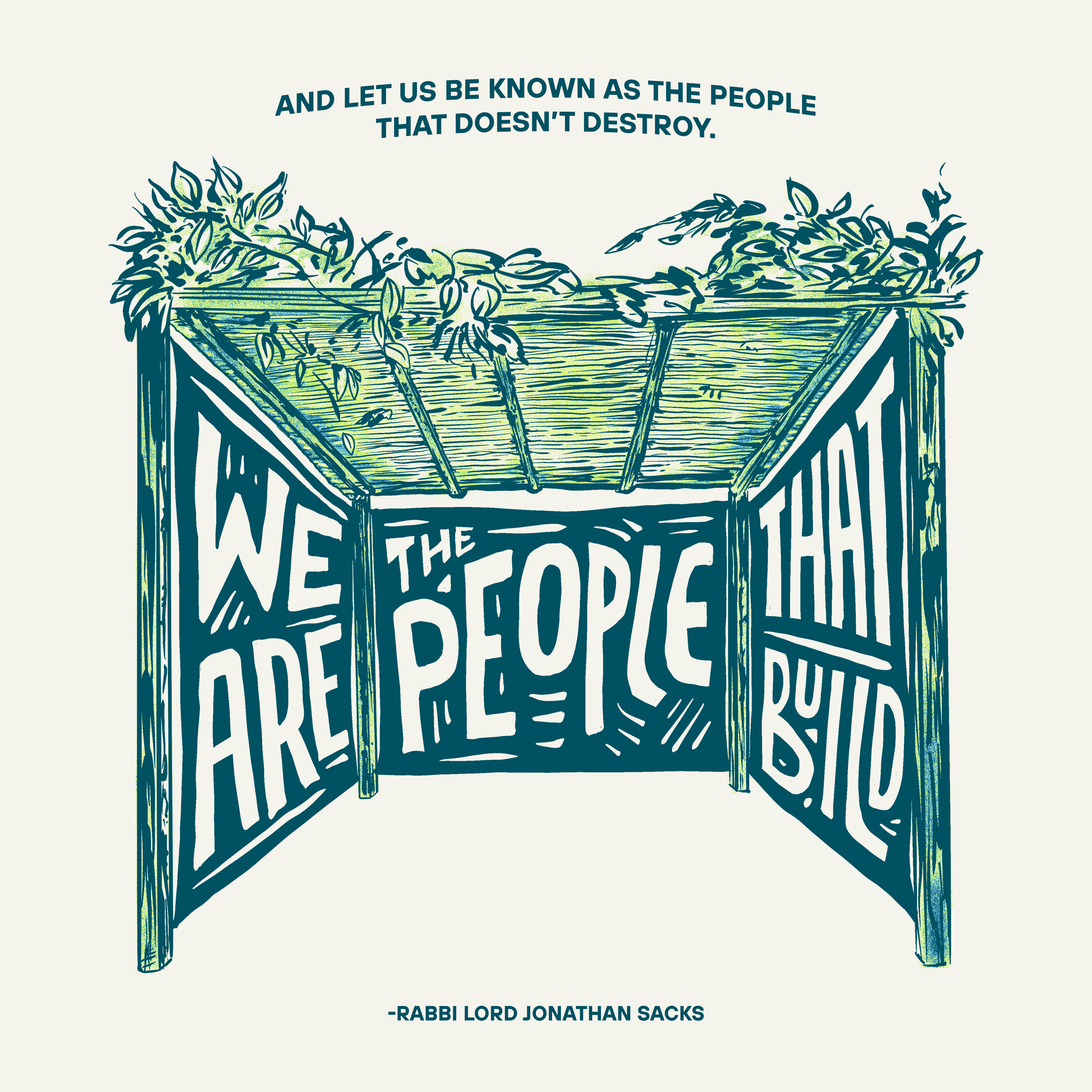
Rituals to Rise Up for Justice
Preview

Joyful Jewish Rituals to Fill Your Cup
Preview
Moroccan-Inspired Vegetable Couscous
By Tina Wasserman
This Moroccan-inspired dish is a perfect way to reap the bounty of wonderful vegetables available during the Sukkot season. It also makes a beautiful, edible centerpiece for your dinner table in the sukkah.
Ingredients
2 Tablespoons extra virgin olive oil
2 large garlic cloves, finely chopped
1 medium onion, diced into 1/2-inch pieces
2 carrots, sliced into 1/4-inch rounds
1 8-ounce can of tomato sauce
3/4 cup dark raisins
1/2 teaspoon salt or to taste
1 1/2 teaspoons ground cumin
2 1/2 cups of vegetable stock, divided use
1 small (1 pound) eggplant, sliced into 1-inch cubes
2 yellow crookneck squash, sliced into 1/4-inch rounds
2 small zucchini, sliced into 1/4-inch rounds, or 1 cup asparagus cut into 1-inch lengths
4 ounces of mushrooms (any type), caps cut into quarters (portabellas cut into 1-inch cubes)
1 15-ounce can of chickpeas, drained
4 Tablespoons butter or margarine
1 cup fine couscous
1 or more Tablespoons of finely minced parsley for garnish
Directions
1. Heat a large frying pan or 4-quart saucepan for 30 seconds, add the olive oil, and heat for 15 seconds. Sauté the garlic and onion until lightly golden. Do not allow the garlic to brown.
2. Add the carrots, tomato sauce, raisins, salt, cumin, and 1 cup of the stock. Cover and simmer for 10 minutes or until the carrots are crisp tender--thoroughly cooked but firm and not mushy.
3. Add the zucchini and the eggplant and cook for 10 minutes. Spoon in the crookneck squash or asparagus pieces, mushrooms, and chickpeas and stir to combine. Cook for an additional 10 minutes until all the vegetables are tender.
4. In a large saucepan, heat the remaining 1 1/2 cups of stock along with the butter or margarine. Add the couscous. Cover, remove from the heat, and allow the pan to sit for 5 minutes.
5. To serve, spoon the couscous into the center of a large rimmed dish, and surround with the cooked vegetables. Pour the sauce evenly over all, and sprinkle with a little parsley for garnish.
Additional Notes
- Always heat your sauté pan before adding oil. This prevents the oil from adhering to the pan and the food from sticking to the oil.
- When cooking vegetables, always add in first those that require more cooking time.
- The fins of portabella mushrooms will blacken foods. Before adding a portabella to any recipe, scrape the fins off its underside with a spoon and use only the remaining mushroom cap.
Recipe from Reform Judaism
Teaching Children About Rosh HaShanah Values
Preview
More
In a world that can sometimes feel heavy and uncertain, finding joy can be a challenge. But even in tough times, we can find ways to be grateful and hopeful throughout the day. Judaism has profound ways of helping us tap into the joy that small, everyday moments can bring to our lives. We invite you to use this book to find solace, comfort, power, and happiness from the traditions that have guided the Jewish people for generations. The rituals we’ve included are an invitation to celebrate your identity, find strength in your community, and bring light into your life, no matter what the world may throw your way.
As your day winds down and the world quiets, it’s a beautiful moment to reflect and release before you rest. The Shema is one of the most powerful prayers in Judaism, a declaration of oneness and peace, taken from the Torah, and is traditionally recited as a bedtime prayer. But you don’t have to stick strictly to the words, it can also be a deeply personal ritual that helps you reflect on your day, release what no longer serves you, and invite peace for the night ahead.
Set the Space:
Find a cozy space—maybe your bed, a quiet corner, or anywhere you feel at ease. Light a candle or incense if you like. Take a few slow, deep breaths, allowing yourself to soften into the present moment. Feel your body sinking into the surface beneath you, and let go of any tension you’ve been holding.
Recite Your Own Shema:
Begin with the Shema, or feel free to adapt it into something more personal. The verse from the Torah is:
Hebrew:
שְׁמַע יִשְׂרָאֵל, אֲדֹנָי אֱלֹהֵינוּ, אֲדֹנָי אֶחָד.
Shema Yisrael, Adonai Eloheinu, Adonai Echad.
Translation: "Hear, O Israel, the Eternal is our God, the Eternal is One."
This prayer can be a powerful reminder of unity and connection, and if you’re comfortable with it, recite it slowly, letting each word settle in. Feel the rhythm, the stillness, and the affirmation of oneness.
If you want to make it your own, you can modify it. For example:
"Hear, O soul, the universe is one. I am one with myself, with those I love, and with the world around me."
Take a moment to breathe deeply after each phrase, allowing it to settle into your being. If there were moments today that felt challenging, use this space to acknowledge them, and then release them.
Reflect on the Day:
After your Shema, spend a few moments reflecting on your day. Ask yourself:
You may want to jot down your thoughts in a journal, as a stream-of-consciousness reflection, or as a few notes on what stood out to you.
Close with Peace:
As you finish writing or reflecting, bring your hands to your heart or place them gently on your body. Imagine yourself surrounded by light, peace, and protection. Take one final deep breath in and exhale slowly, feeling the release of the day. Allow the calm to wash over you, knowing you’ve created a sacred space for rest and renewal.
The Passover Shaboom! Special - What's Different About Tonight?
Preview
More

Carry the Social Justice Blessing With You
Preview
More
Moroccan-Inspired Vegetable Couscous
By Tina Wasserman
This Moroccan-inspired dish is a perfect way to reap the bounty of wonderful vegetables available during the Sukkot season. It also makes a beautiful, edible centerpiece for your dinner table in the sukkah.
Ingredients
2 Tablespoons extra virgin olive oil
2 large garlic cloves, finely chopped
1 medium onion, diced into 1/2-inch pieces
2 carrots, sliced into 1/4-inch rounds
1 8-ounce can of tomato sauce
3/4 cup dark raisins
1/2 teaspoon salt or to taste
1 1/2 teaspoons ground cumin
2 1/2 cups of vegetable stock, divided use
1 small (1 pound) eggplant, sliced into 1-inch cubes
2 yellow crookneck squash, sliced into 1/4-inch rounds
2 small zucchini, sliced into 1/4-inch rounds, or 1 cup asparagus cut into 1-inch lengths
4 ounces of mushrooms (any type), caps cut into quarters (portabellas cut into 1-inch cubes)
1 15-ounce can of chickpeas, drained
4 Tablespoons butter or margarine
1 cup fine couscous
1 or more Tablespoons of finely minced parsley for garnish
Directions
1. Heat a large frying pan or 4-quart saucepan for 30 seconds, add the olive oil, and heat for 15 seconds. Sauté the garlic and onion until lightly golden. Do not allow the garlic to brown.
2. Add the carrots, tomato sauce, raisins, salt, cumin, and 1 cup of the stock. Cover and simmer for 10 minutes or until the carrots are crisp tender--thoroughly cooked but firm and not mushy.
3. Add the zucchini and the eggplant and cook for 10 minutes. Spoon in the crookneck squash or asparagus pieces, mushrooms, and chickpeas and stir to combine. Cook for an additional 10 minutes until all the vegetables are tender.
4. In a large saucepan, heat the remaining 1 1/2 cups of stock along with the butter or margarine. Add the couscous. Cover, remove from the heat, and allow the pan to sit for 5 minutes.
5. To serve, spoon the couscous into the center of a large rimmed dish, and surround with the cooked vegetables. Pour the sauce evenly over all, and sprinkle with a little parsley for garnish.
Additional Notes
- Always heat your sauté pan before adding oil. This prevents the oil from adhering to the pan and the food from sticking to the oil.
- When cooking vegetables, always add in first those that require more cooking time.
- The fins of portabella mushrooms will blacken foods. Before adding a portabella to any recipe, scrape the fins off its underside with a spoon and use only the remaining mushroom cap.
Recipe from Reform Judaism
Teaching Children About Rosh HaShanah Values
Preview
More
In a world that can sometimes feel heavy and uncertain, finding joy can be a challenge. But even in tough times, we can find ways to be grateful and hopeful throughout the day. Judaism has profound ways of helping us tap into the joy that small, everyday moments can bring to our lives. We invite you to use this book to find solace, comfort, power, and happiness from the traditions that have guided the Jewish people for generations. The rituals we’ve included are an invitation to celebrate your identity, find strength in your community, and bring light into your life, no matter what the world may throw your way.
As your day winds down and the world quiets, it’s a beautiful moment to reflect and release before you rest. The Shema is one of the most powerful prayers in Judaism, a declaration of oneness and peace, taken from the Torah, and is traditionally recited as a bedtime prayer. But you don’t have to stick strictly to the words, it can also be a deeply personal ritual that helps you reflect on your day, release what no longer serves you, and invite peace for the night ahead.
Set the Space:
Find a cozy space—maybe your bed, a quiet corner, or anywhere you feel at ease. Light a candle or incense if you like. Take a few slow, deep breaths, allowing yourself to soften into the present moment. Feel your body sinking into the surface beneath you, and let go of any tension you’ve been holding.
Recite Your Own Shema:
Begin with the Shema, or feel free to adapt it into something more personal. The verse from the Torah is:
Hebrew:
שְׁמַע יִשְׂרָאֵל, אֲדֹנָי אֱלֹהֵינוּ, אֲדֹנָי אֶחָד.
Shema Yisrael, Adonai Eloheinu, Adonai Echad.
Translation: "Hear, O Israel, the Eternal is our God, the Eternal is One."
This prayer can be a powerful reminder of unity and connection, and if you’re comfortable with it, recite it slowly, letting each word settle in. Feel the rhythm, the stillness, and the affirmation of oneness.
If you want to make it your own, you can modify it. For example:
"Hear, O soul, the universe is one. I am one with myself, with those I love, and with the world around me."
Take a moment to breathe deeply after each phrase, allowing it to settle into your being. If there were moments today that felt challenging, use this space to acknowledge them, and then release them.
Reflect on the Day:
After your Shema, spend a few moments reflecting on your day. Ask yourself:
You may want to jot down your thoughts in a journal, as a stream-of-consciousness reflection, or as a few notes on what stood out to you.
Close with Peace:
As you finish writing or reflecting, bring your hands to your heart or place them gently on your body. Imagine yourself surrounded by light, peace, and protection. Take one final deep breath in and exhale slowly, feeling the release of the day. Allow the calm to wash over you, knowing you’ve created a sacred space for rest and renewal.
The Passover Shaboom! Special - What's Different About Tonight?
Preview
More

Carry the Social Justice Blessing With You
Preview
More
showing
1-6
of
118
Page
1
of
20